REVIEWS • PIXEL PRESS
Top relaxing games for stress-free evenings
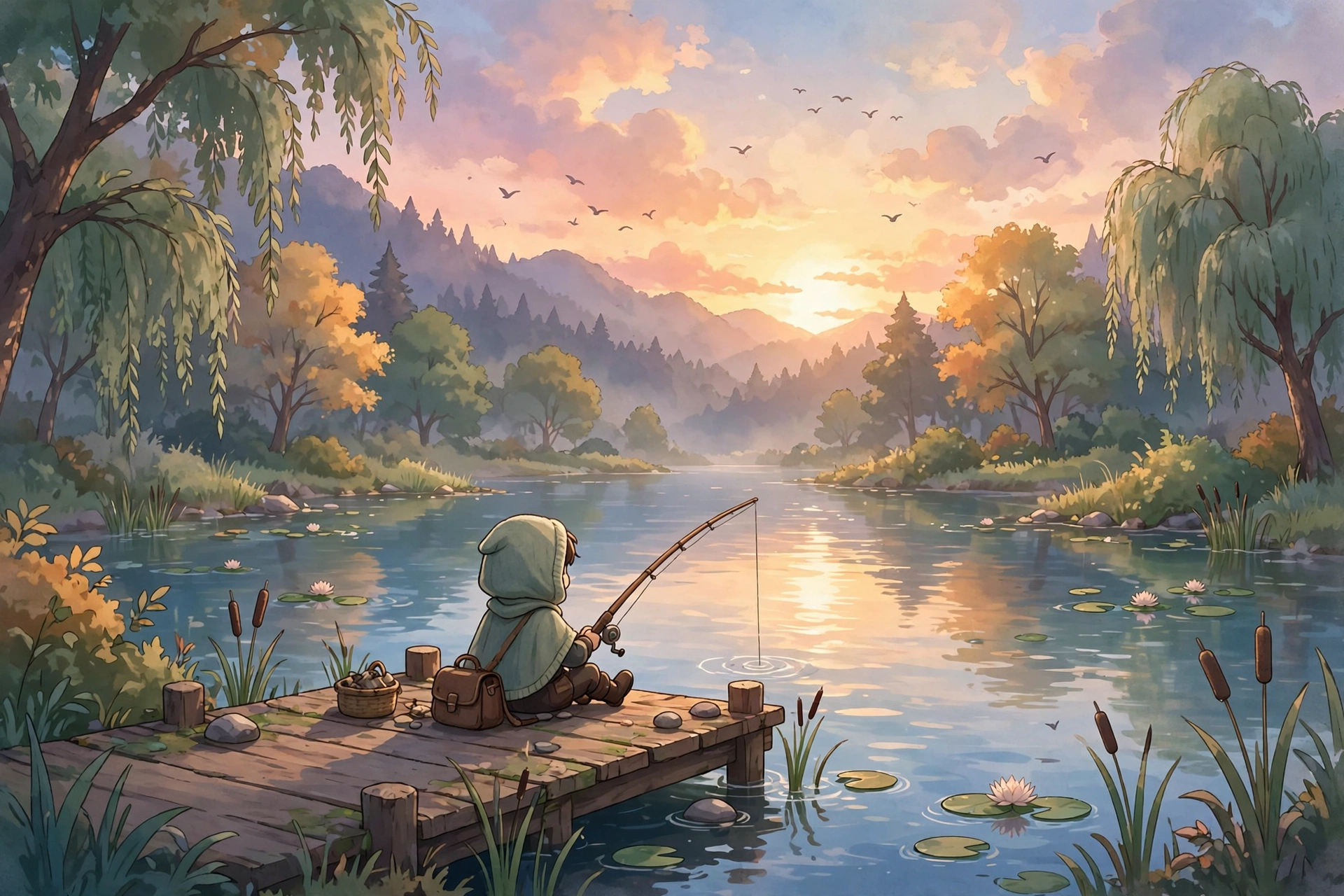
Some evenings you want calm, not competition. These kinds of relaxing games let you explore, build and unwind at your own pace, with no timer and no pressure.
Look for games with gentle music, no fail state, and a world you enjoy simply being in.
Fishing, farming, building and walking games are all good places to start.
Play for a short, sweet session, then stop while you are still enjoying it — that is the whole point.
What makes a game relaxing?
A relaxing game is not defined by one genre. It is defined by how it treats your time and your mistakes. In a relaxing game, there is usually no countdown forcing a perfect run, no punishment that wipes out an evening of progress, and no leaderboard reminding you that someone else did it faster. You can pause, wander, change your mind, and come back tomorrow to find your world exactly as you left it. That sense of safety is what lets your shoulders drop, and it is worth looking for in descriptions and reviews before you buy, rather than trusting a calm-looking cover image alone.
Sound design matters just as much as the visuals. Gentle music, soft footsteps, birdsong, running water, and quiet crafting sounds can turn a simple task into something genuinely restful, while sudden loud effects can break the mood even in a pretty game. If a game lets you adjust music and effects separately, turn the music up slightly and the effects down until the balance feels comfortable. Playing with headphones in a quiet room often helps too, because it shuts out the noise of the house without shutting out the game itself. Our guide to calmer evenings, in our cozy gaming guide, explores this kind of slow, low-pressure play in more depth.
Kinds of relaxing games to try
Farming and life games let you plant, harvest, decorate, and befriend neighbours at your own pace, with small daily tasks that feel satisfying without ever feeling urgent. Building games give you a blank plot and a set of tools, so the pleasure comes from shaping a place that looks the way you imagined it, whether that is a tidy cottage garden or a sprawling hillside town. Walking and exploration games remove combat almost entirely and invite you to follow a path, read notes, take photographs, and simply notice the world. Fishing, cooking, and puzzle games work in a similar way: they give your hands something gentle to do while your mind unwinds.
Do not overlook creative modes inside bigger games. Many building and survival games include a peaceful mode with no enemies, unlimited materials, or both, which turns a game you already own into a relaxing one at no extra cost. Likewise, some competitive games have casual playlists, custom matches, or single-player practice modes that keep the fun and drop the pressure. The trick is to choose the mode that matches your evening, not the mode the game pushes hardest. If you enjoy discovering new independent titles, our indie review is a good next read, because smaller studios often make the most thoughtful calm games.
Building a calm evening routine around games
Relaxing games work best as part of a routine, not as a reward you only reach after a long, tiring scroll through menus and updates. Pick one game for the evening before you sit down, set a gentle session length such as thirty to forty-five minutes, and stop while you are still enjoying it. Ending on a small completed task, like finishing a garden bed or reaching a viewpoint, leaves a much better feeling than stopping mid-crisis in a game that suddenly became stressful. A warm drink, dim room lighting, and a phone placed face-down all help the game stay the calm part of the evening instead of competing with notifications.
It also helps to separate relaxing play from competitive play in your library and your habits. If you play a tense ranked match first and then try to relax, your body may stay alert for a long time afterwards, which defeats the purpose. Play the calm game first, or keep competitive games for a different evening entirely. If you find yourself getting frustrated even in a supposedly relaxing game, because a puzzle is stuck or a build is not working, switch to a simpler activity inside the same game, such as fishing or tidying a garden, or simply close it and try again tomorrow. Relaxation is the goal, not completion, and no achievement is worth a ruined evening.
For a broader starter plan that includes calm games alongside settings and buying advice, see The Ultimate Beginner Gaming Guide.
Relaxing games checklist
- Look for no fail state, no strict timer, and the freedom to pause and save anywhere.
- Check music and sound options, and adjust effects separately from music.
- Start with one gentle activity: farming, building, walking, fishing, or puzzles.
- Try peaceful or creative modes in games you already own before buying new ones.
- Pick one game per evening and a session length that leaves you wanting a little more.
- Keep competitive games for a different evening when you want calm play.
- Stop on a small finished task, not in the middle of a frustrating one.
Frequently asked questions
Are relaxing games only for beginners? No. Many experienced players choose calm games deliberately after a long day, and some relaxing games hide surprising depth in building, farming, and exploration systems. Difficulty and depth are different things, and a game can be deep without being stressful.
Can I play relaxing games for free? Yes, quite a few are free or regularly discounted, and free-to-play games can be a good low-risk way to discover what kind of calm play you enjoy. Our free games guide, in our free games guide, explains how to tell a genuinely free game from one that only feels free at first, and you can browse current offers on Steam and check age ratings on ESRB ratings before downloading.
What if a relaxing game starts to feel boring? That usually means the activity no longer matches your mood, not that the game is bad. Try a different activity inside it, explore a new area, or switch to another calm game for a few evenings. Boredom is useful information, and returning later often makes the same game feel fresh again.
Do relaxing games help you sleep? They can help you wind down, but they are not a sleep aid, and bright screens late at night can still keep you awake. Finish play at least a little before bed, dim the screen, and avoid switching straight from a game to sleep if you can.
All text on this post was written for Pixel Press. No content was copied from another site.