REVIEWS • PIXEL PRESS
Review: a small indie game with a big heart
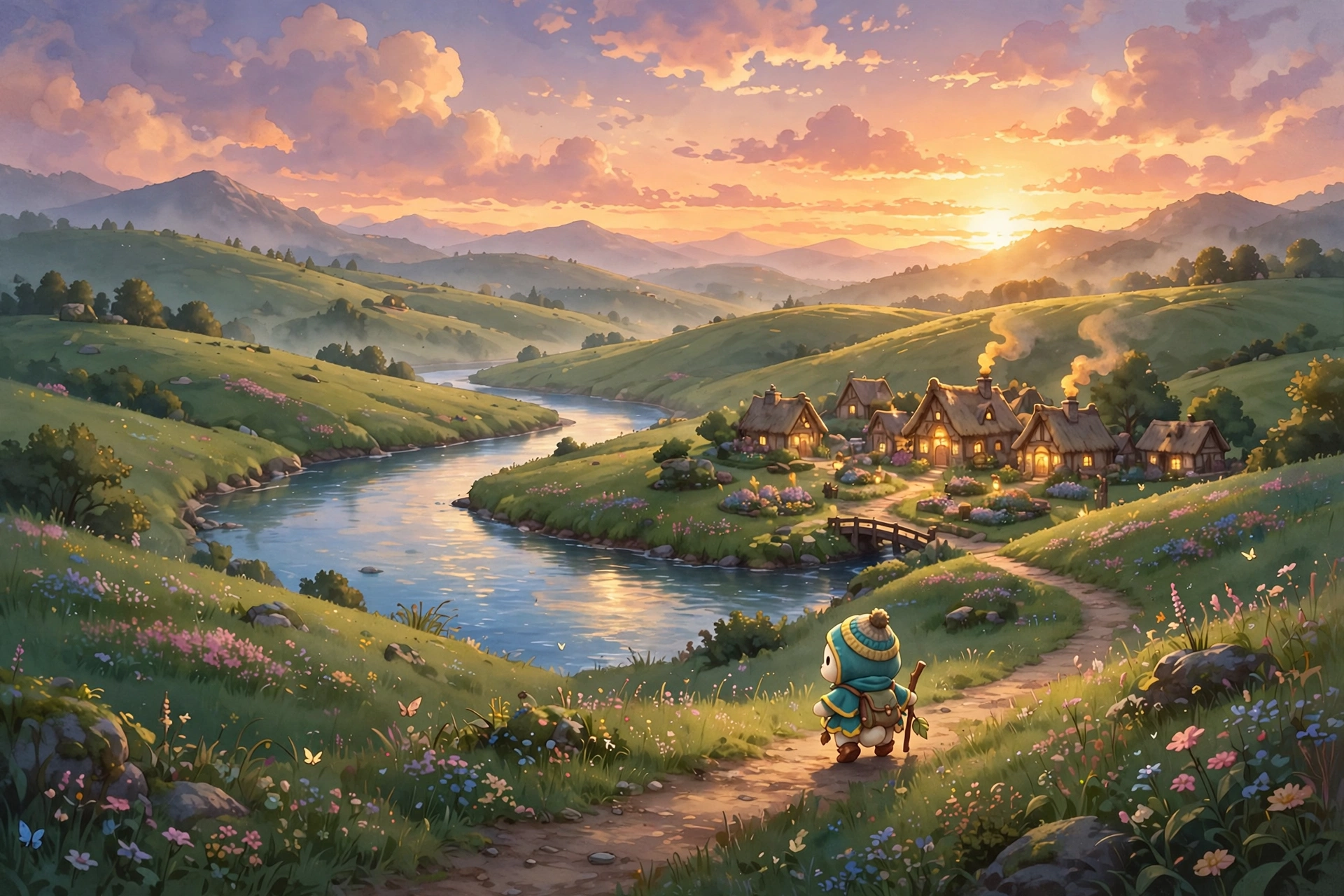
Short, warm and clever, this two-hour adventure proves a game does not need a huge budget to leave a lasting impression. Our verdict: well worth your evening.
This game is short, but every scene feels made with care.
Its puzzles are gentle, its story is warm, and it never wastes your time.
Our verdict: a lovely evening game, perfect for players who want something calm and clever.
What this game gets right
The first thing to say about this small adventure is what it does not do. It does not pad its length with repetitive tasks. It does not explain every joke twice. It does not mistake difficulty for depth, or noise for excitement. Instead, it trusts the player: it gives you a warm world, a clear goal, and a set of gentle puzzles, then lets you enjoy solving them at your own pace. That restraint is rare, and it is why a game that lasts about two hours can stay in your memory longer than a sprawling epic you abandoned halfway through.
The puzzles deserve particular praise. Each one teaches a single idea, lets you practise it once in a safe place, and then combines it with something you already know. You are rarely stuck for long, but you are also rarely bored, because the game keeps changing the question just as you feel comfortable with the answer. If you do get stuck, the game nudges rather than lectures: a character remarks on something you missed, a light falls differently, or a previously quiet room suddenly has a sound worth investigating. It is a design that respects both your intelligence and your evening.
Visually, the game favours charm over spectacle. Colours are soft, characters are expressive with very little dialogue, and the world feels hand-made rather than mass-produced. Small animations — a character stretching after sitting, a cat crossing a path, steam rising from a cup — do more for atmosphere than any amount of graphical detail. Sound follows the same philosophy: a light, unobtrusive score that steps back during puzzles and returns when the story needs it, plus sound effects that make everyday actions feel satisfying rather than silly.
Story, characters and feeling
Without spoiling the plot, the story is about returning somewhere familiar and finding it changed — and changed in ways that are partly your own doing. The writing is economical: short conversations, a few letters, and a lot left unsaid in the best way. Characters feel like people you might actually know, with small habits and kind flaws, rather than quest-givers in disguise. The game earns its warm moments honestly, by letting you spend time with these characters doing ordinary things before it asks you to care about extraordinary ones.
That warmth is the game's greatest strength and, for some players, its only limitation. If you want intense combat, complex levelling systems or dozens of hours of content, this is not that game, and it does not pretend to be. It is a game for an evening when you want to feel clever and calm at the same time, to finish something and feel glad you did. Players who enjoy that mood will find plenty here; players chasing a different mood will be happier elsewhere, and that is fine. Knowing what a game is for is part of reviewing it fairly.
It is also a game that suits a particular kind of evening. Pair it with a comfortable chair, a warm drink and no pressure to finish in one sitting, and it shines. If that sounds like your idea of a good night in, you may also enjoy our earlier piece on cozy gaming evenings and our round-up of relaxing games — both cover the same gentle end of gaming, where atmosphere and story matter more than reflexes. For players watching their spending, our guide to great free games shows how to find more small, well-made titles without paying full price first, and The Ultimate Beginner Gaming Guide places indie games like this one in a wider starter collection.
Who should play it, and who should skip it
- Play it if you like short, story-led games you can finish in one or two evenings.
- Play it if you enjoy gentle puzzles, warm characters and a calm atmosphere.
- Play it if you are new to indie games and want a friendly first example of what small teams can do.
- Skip it for now if you want fast combat, open-world scale or long-term progression systems.
- Skip it if you strongly dislike short games — its two-hour length is a feature, not a flaw, but it is still short.
- Try the demo first if one is available, and check the game's age rating before buying for a younger player.
Performance, accessibility and value
Performance is refreshingly undemanding. The game runs smoothly on modest hardware, loads quickly, and does not ask you to tweak settings for an hour before playing. That accessibility is part of its appeal: it is a game you can recommend to a friend without first asking what computer they own. Controls are simple and clearly explained, and the game saves frequently, so you can stop mid-puzzle without losing progress. Those may sound like minor points, but they are exactly the points that turn a good game into an easy recommendation.
Accessibility options are solid for a small title, though not exhaustive. Text size and volume controls are present, and the puzzles rely on observation and logic rather than fast reactions or precise timing, which opens the game to a wider range of players. If you need specific accessibility features, check the game's store page before buying, as small teams update these options over time and the store page is usually the most current source. Value is a judgement call: two hours is short, but the game wastes none of them, and many players will replay it simply to notice details they missed the first time. A demo or a sale makes the decision easier still.
For finding more games like this, reputable storefronts are the safest starting point. Steam has a dedicated independent-games section and user reviews that often mention length, difficulty and mood honestly. The Epic Games Store free games page regularly offers independent titles free for a limited time, which is a low-risk way to discover small studios. Age ratings, where relevant, are explained by the ESRB and PEGI.
Frequently asked questions
How long does this indie game take to finish? About two hours for a first playthrough at a relaxed pace, a little longer if you explore every room and read every letter. It is designed to be finished in one or two evenings.
Is it suitable for beginners? Yes. The puzzles teach themselves gradually, the controls are simple, and there is no penalty for taking your time. It is a friendly introduction to story-led indie games.
Do I need a powerful computer to play it? No. It runs well on modest hardware and does not require high-end graphics settings, which is part of why it is so easy to recommend.
Is it worth buying despite its short length? If you value a well-crafted short experience over a long padded one, yes — especially on sale or after trying a demo. If length per purchase is your main measure of value, you may prefer to wait for a discount.
All text on this post was written for Pixel Press. No content was copied from another site.